
Flat Roof Coating in Rochester, NY
Silicone and elastomeric coatings for low-slope commercial roofs, applied by a Rochester-based crew that inspects before it recommends anything.
Rochester's low-slope roofs spend winter holding snow load and spring holding meltwater, and that combination wears out a membrane years before its rated life. Flat roof coatings give commercial property owners in Rochester, NY a way to seal that membrane, address the ponding that causes most leaks, and add years of service without a full tear-off. Carter Roofing & Exteriors applies silicone and elastomeric coating systems, part of our broader commercial roof coating work, to low-slope roofs across the city, matched to each roof's drainage and condition rather than a standard spec.
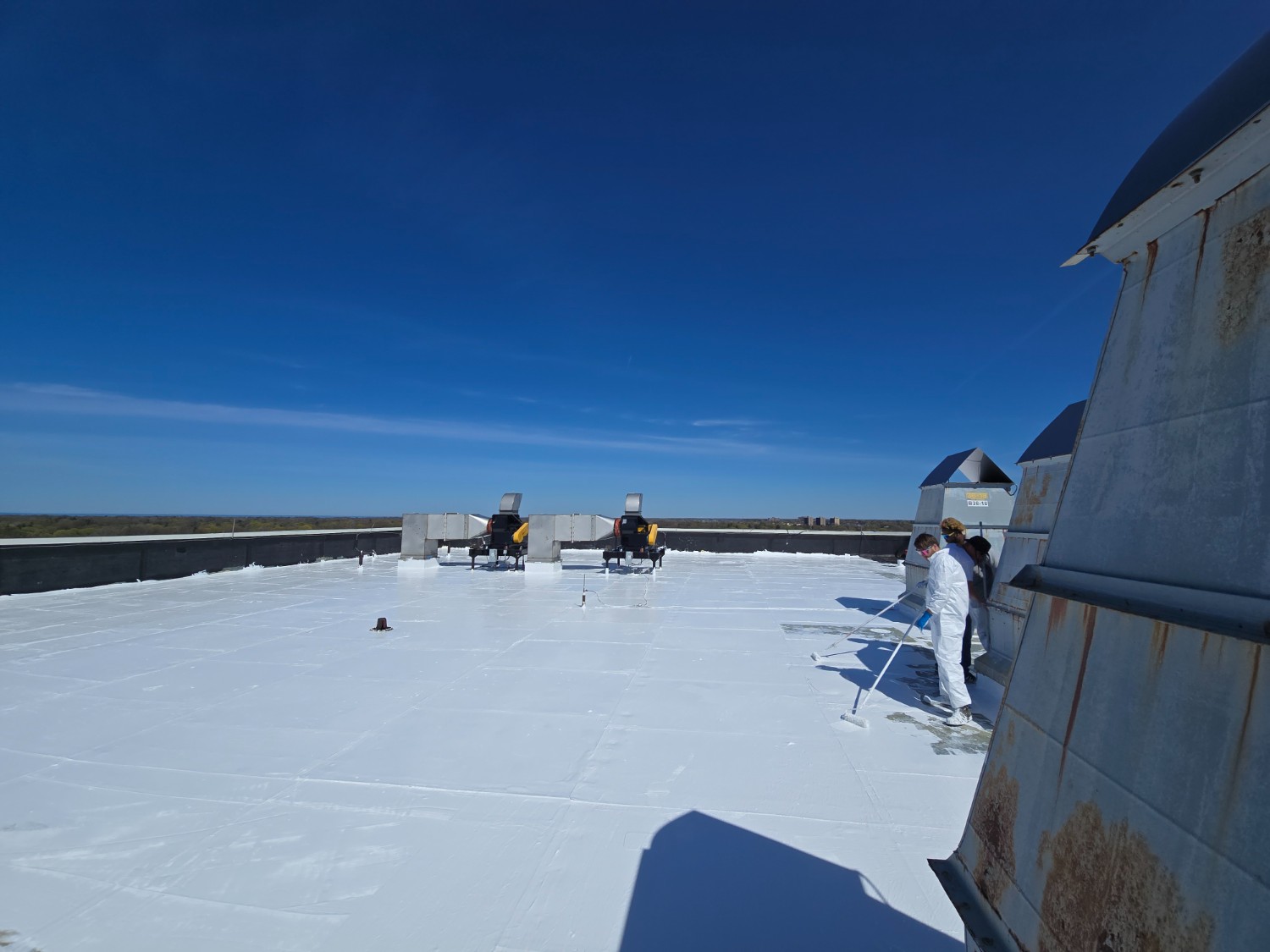
A Coating Bonds Over Your Existing Low-Slope Membrane
A flat roof coating is a liquid-applied system that cures into a continuous, seam-free layer directly over your current roof, whether it's modified bitumen, EPDM, TPO, or a built-up system. Because it bonds to the existing membrane instead of replacing it, the roof deck, insulation, and structural work underneath stay in place.
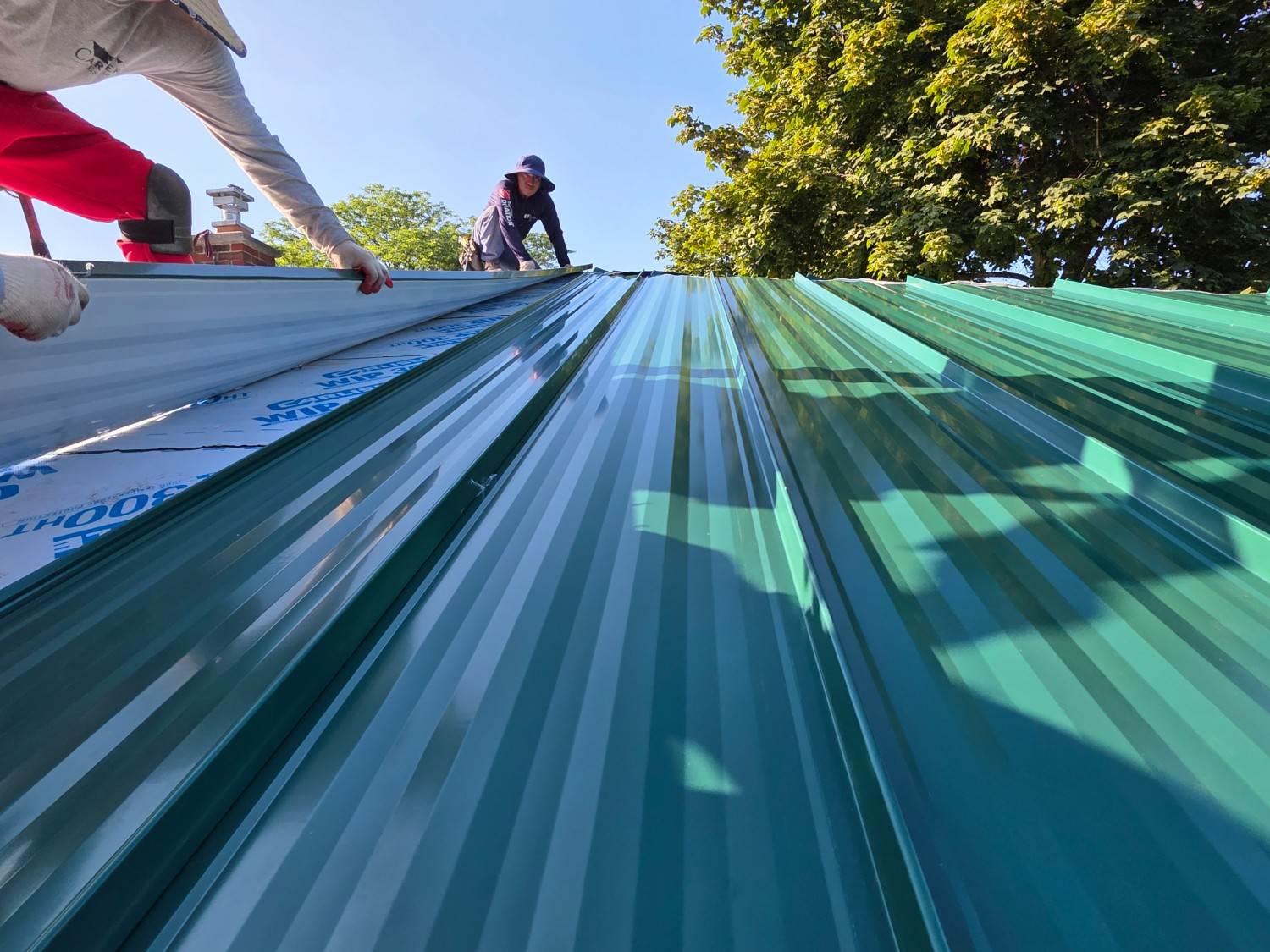
That keeps the project contained to the roof surface itself, which is why coating work costs less and disrupts a building's operations less than a full replacement. If your property also has a standing-seam section or a rubber roof elsewhere, we coat those on their own terms using our metal roof coating and rubber roof coating systems, matched to that material instead of a flat-roof spec.
Ponding Water Is Usually Where a Flat Roof Fails First
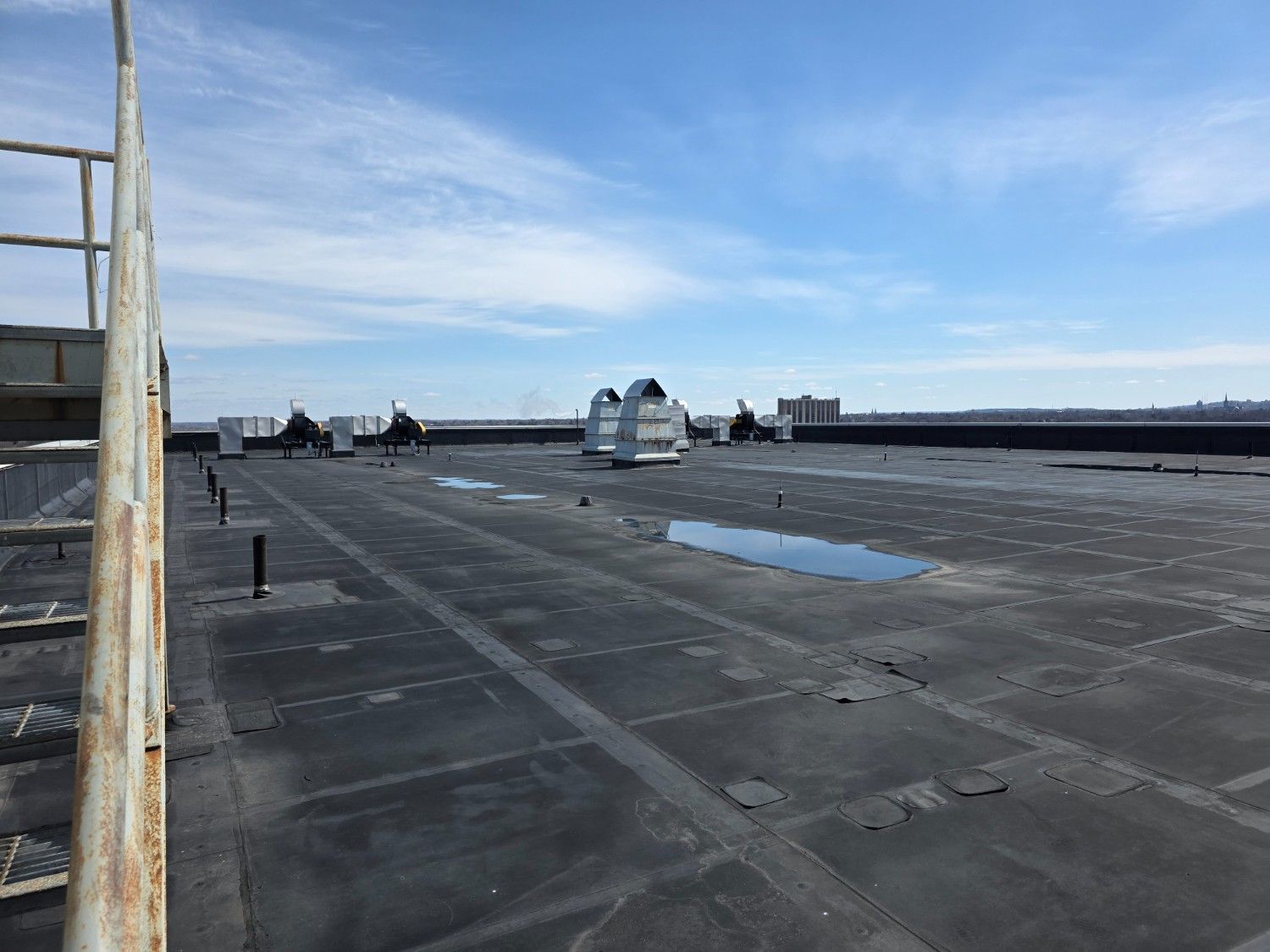
Water that sits on a low-slope roof for more than 48 hours starts breaking down seams, flashing, and the areas around drains and HVAC curbs long before the rest of the membrane shows wear. Those are the same spots where a coating needs the most attention, not just a uniform layer across the field of the roof.
Silicone coatings hold up in standing water without softening, which is why we specify silicone over acrylic on roofs with known low spots or slow drains, a common issue on older Rochester commercial buildings where drains have shifted with the structure over the decades. Seams, pipe boots, and curb flashing get reinforced with extra coating thickness before the field coat goes on, since that's where a rushed application fails first.
Seams and Drains Get Coated First, Then the Field
Every coating job starts with a pressure wash and a full walk of the roof to find loose seams, soft spots, and any area where ponding has already caused damage. Repairs happen before any coating goes down, since sealing over a problem area only hides it until the next storm.
Once the surface is clean and repaired, we detail-coat seams, penetrations, and drain areas first, then build the base and topcoat up to the manufacturer's specified thickness across the rest of the field. The finished surface has no seams left for water to work through, and it cures to hold up under foot traffic from HVAC and maintenance crews.
Reflective Topcoats and Rochester's Freeze-Thaw Swings
A white or light-colored topcoat reflects sun instead of absorbing it, which keeps the membrane surface temperature down through Rochester's humid summer stretches and reduces how hard a rooftop HVAC unit has to work on the top floor. Property managers who bill tenants separately for utilities tend to notice this on summer bills.
The same coating also has to flex through the opposite extreme: Rochester's freeze-thaw cycles between November and April expand and contract the membrane underneath it, over and over. Elastomeric and silicone coatings are formulated to move with that expansion instead of cracking, which is what keeps a coated roof from developing new stress fractures each spring.
A Coating Only Works on a Roof That's Still Sound
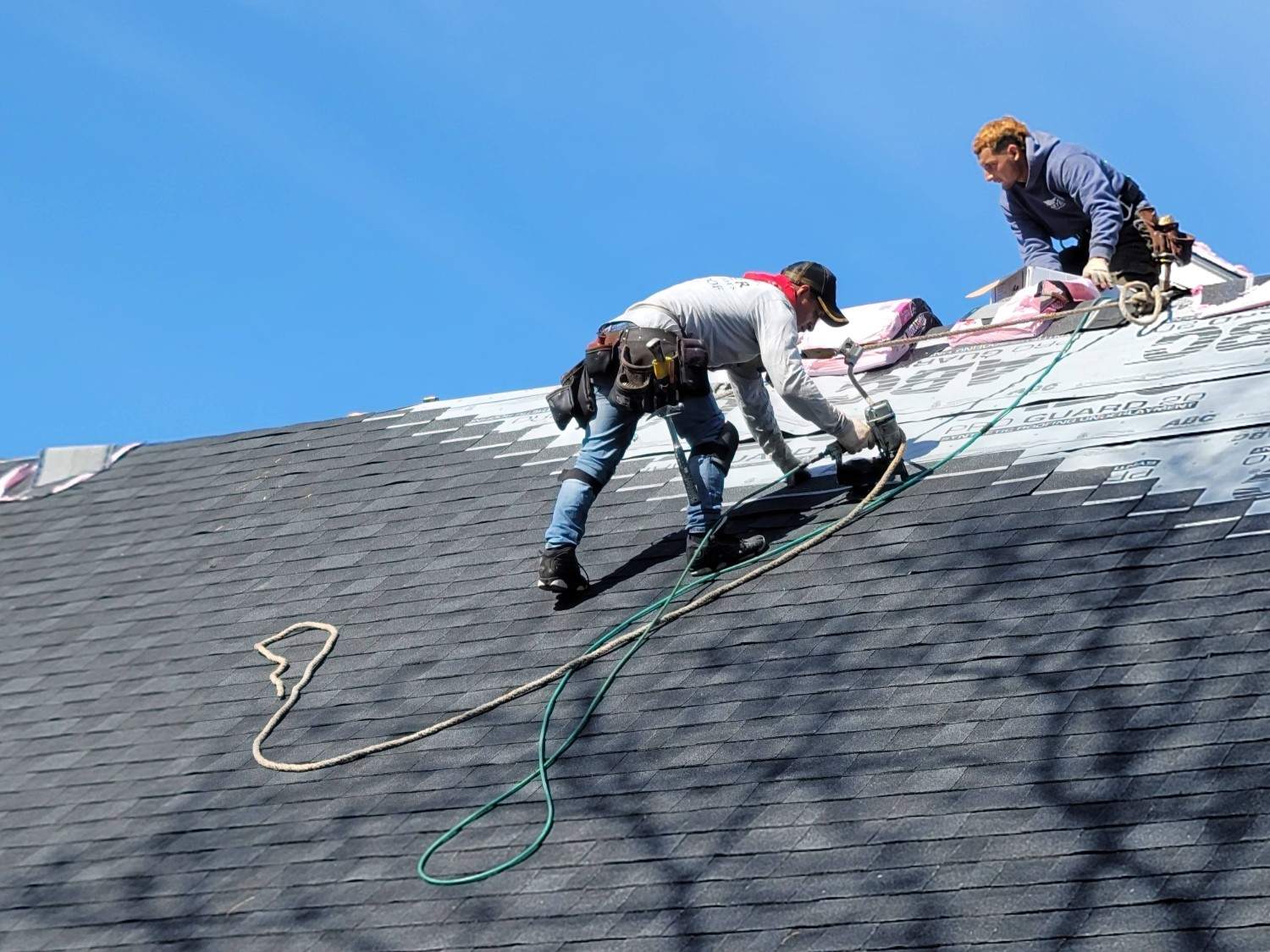
Coatings can restore and protect a roof, but they aren't a solution for one that's already failing structurally. Before we recommend a coating, we check for wet insulation, soft decking, existing roofing layers, and other conditions that could affect the roof's suitability. Applying a coating over saturated insulation, for example, can trap moisture beneath the system.
When an inspection shows that a roof is a good candidate, a coating can extend its service life at a lower cost than a full tear-off and replacement in many cases. That can be especially valuable for property managers working within a capital budget. When a coating isn't the right solution, we can recommend flat roof repair and installation instead, so the approach is based on the roof's actual condition.
Clogged Drains Are the Most Common Post-Coating Problem
After the coating cures, upkeep is mostly about keeping drains, scuppers, and gutters clear, especially through Rochester's fall leaf drop and winter ice buildup. A yearly walk-inspection catches small issues, like a scuffed spot from foot traffic, before they turn into a leak.
Licensed, Insured, and Estimate-First on Every Coating Job
Local Rochester Expertise
Licensed and Insured
Applicable Warranties
Professional Assessment
Clear Communication
Free Free Estimates
Serving Low-Slope Commercial Roofs From Irondequoit to Henrietta
Carter Roofing & Exteriors coats commercial flat roofs throughout Rochester, NY and the surrounding communities, including Irondequoit, Fairport, Canandaigua, Brockport, Penfield, Victor, Gates, Greece, and Henrietta. This work is part of our broader commercial roofing coverage across the region, so if your building falls within roughly 40 miles of the city, we can typically get a crew out for an inspection within the week.
Frequently Asked Questions About Flat Roof Coating in Rochester, NY
Get a Free Flat Roof Coating Estimate in Rochester, NY
Call today for a no-obligation inspection, or request your free estimate online and we'll follow up with a time that works for your building.