
Roof Ventilation in Rochester, NY
Recoat and reseal an aging EPDM roof that's still sound, instead of paying for a tear-off it doesn't need yet.
Roof ventilation is the system of intake and exhaust vents that lets an attic breathe, pulling in outside air at the eaves and pushing warm, moist air out near the ridge. In Rochester's mix of humid summers and long, snow-heavy winters, that airflow keeps ice dams from forming along the eaves, stops moisture from condensing on the underside of the roof deck, and keeps summer heat from baking the shingles from below. Carter Roofing & Exteriors evaluates and installs ventilation systems on homes across Rochester, matching the setup to each roof's shape, attic size, and existing insulation.
Warm, Moist Attic Air Has to Go Somewhere
Every home generates warm, humid air from cooking, showers, and everyday living, and some of it rises into the attic through light fixtures, bath fans, and small gaps around the ceiling. Without enough exhaust ventilation, that moisture has nowhere to go. It condenses on the cold underside of the roof deck and on the rafters, which over time feeds mold growth, softens sheathing, and rusts nail heads.
In winter, weak attic ventilation compounds the problem. Heat escaping from the living space warms the roof deck unevenly, melting snow on the upper slopes while the eaves stay cold. That meltwater refreezes at the roof's edge and forms an ice dam, which backs water up under the shingles and into the ceiling below. Rochester's heavy snow load and repeated freeze-thaw cycles make ice dams a regular winter problem on roofs with weak airflow.
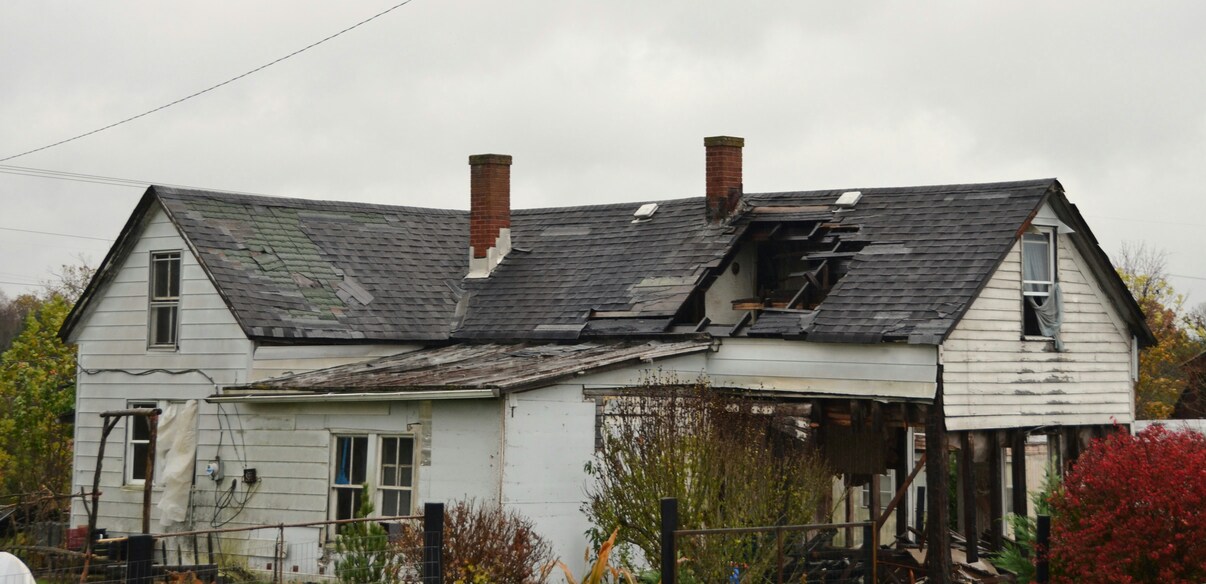
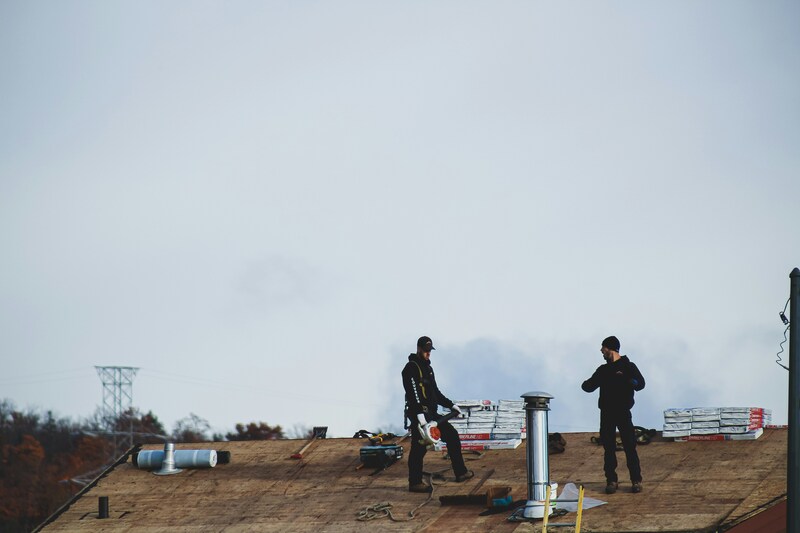
Rochester Summers Turn an Unvented Attic Into an Oven
On a sunny summer day, an attic with too little exhaust ventilation holds onto heat long after the sun goes down, radiating it into the rooms below well into the evening. That trapped heat forces the air conditioner to run longer to keep the house comfortable, adding to the summer utility bill.
The same trapped heat bakes the underside of the shingles from below, which speeds up granule loss and general wear. A roof with poor attic ventilation typically needs replacement sooner than one with balanced intake and exhaust airflow.
Signs an Attic Isn't Breathing Right
Ventilation problems rarely announce themselves with a leak on day one. Homeowners usually notice one of these first:
- Frost or dark water stains on the underside of the roof deck or on nail tips, visible from the attic in winter
- A musty smell in the attic, even when the space looks dry
- Shingles that curl, blister, or wear faster than their expected lifespan
- Ice buildup along the eaves after most of the roof has shed its snow
- Summer cooling bills that climb without a clear reason
How Intake and Exhaust Vents Work Together
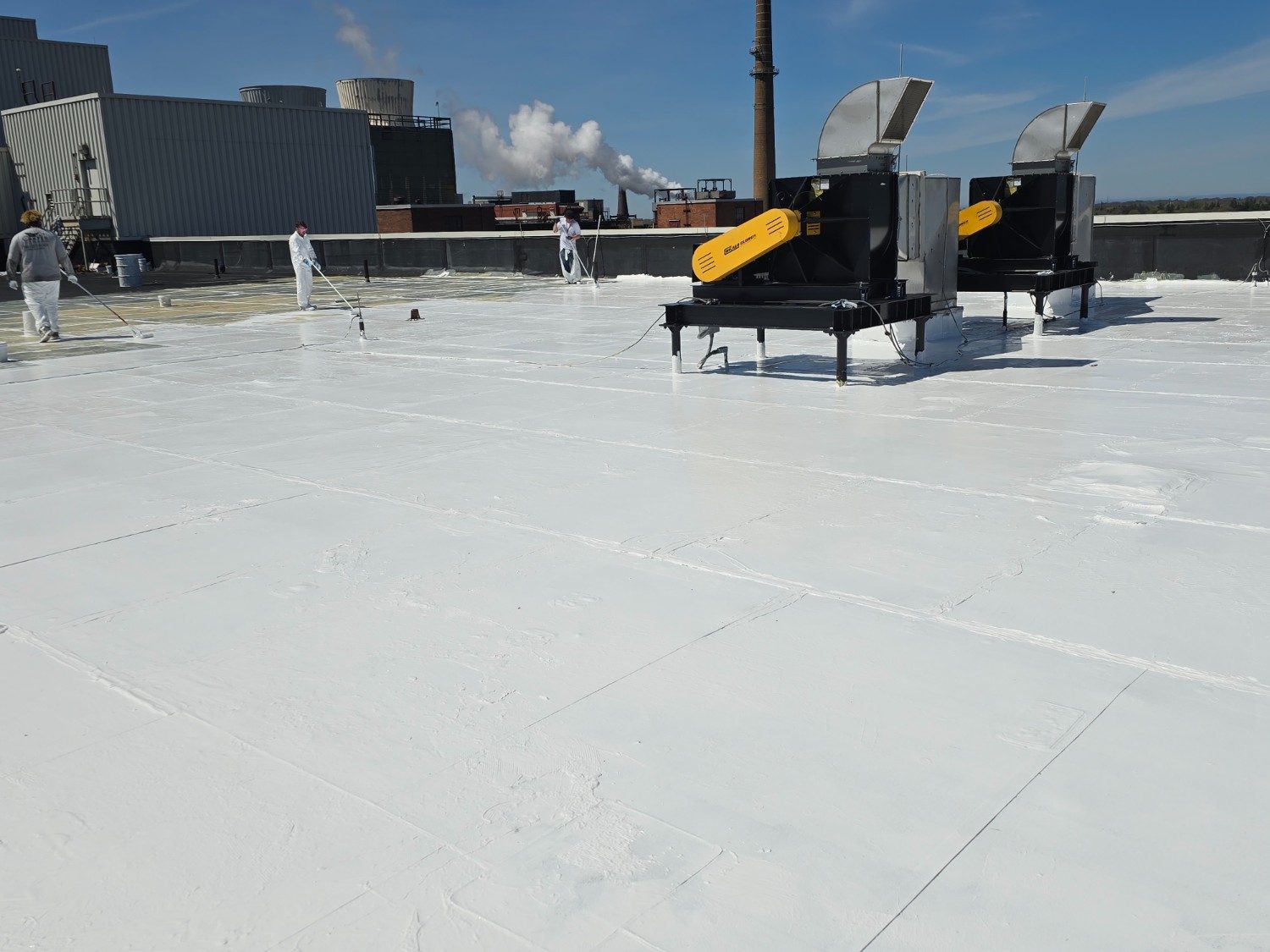
A ventilation system only works when it's balanced: roughly equal intake air low on the roof and exhaust air high on the roof, so air moves continuously from eave to ridge instead of pooling in one spot. Carter Roofing & Exteriors sizes each system to the attic's square footage, since an exhaust vent with no matching intake can pull conditioned air out of the living space instead of fresh air from outside.
Ridge Vents
Soffit Vents
Other Ventilation Solutions
What Carter Roofing & Exteriors Checks Before Recommending a System
Before recommending ventilation work, Carter Roofing & Exteriors looks at the attic itself, not just the roof surface, checking insulation depth and whether soffit vents are actually open to airflow or blocked by insulation baffles. That check is part of the same roof inspection process used for repair and replacement estimates. Installation is then scheduled around the roof's existing shingle pattern and ridge length, with materials matched to the rest of the roof system.
A Free Assessment Before Any Vents Go In
Carter Roofing & Exteriors is a licensed and insured roofing contractor based in Rochester, familiar with the region's snow loads, humidity, and the ice dam patterns that show up on local roofs every winter. Ventilation work is handled alongside the company's broader residential roofing services, so an assessment can fold into a roof inspection or replacement estimate without a separate appointment.
Every ventilation estimate starts with a free, no-obligation look at the attic and existing vents, so homeowners know what's being recommended and why before any work is scheduled. Materials carry manufacturer warranty coverage where applicable, and the crew explains the recommended system and expected cost before installation begins.
Rochester Roofs, From City Bungalows to Suburban Colonials
Carter Roofing & Exteriors installs and services ventilation systems in Rochester and surrounding communities, including Irondequoit, Fairport, Penfield, and Greece. Housing stock varies across that area: older city homes with tight soffits and shallow attics sit alongside newer suburban builds with deeper trusses and more roof surface to vent, and each type needs its intake and exhaust sized differently to move enough air.
Frequently Asked Questions About Roof Ventilation in Rochester
Get a Free Roof Ventilation Estimate in Rochester
Carter Roofing & Exteriors will assess your attic's airflow and recommend a system built for your roof, at no cost and no obligation.